The 3am problem: why night-shift fatigue is mining's deadliest risk
 Dr. Priya Nair, Head of Safety Science · 18 September 2025 · 6 min read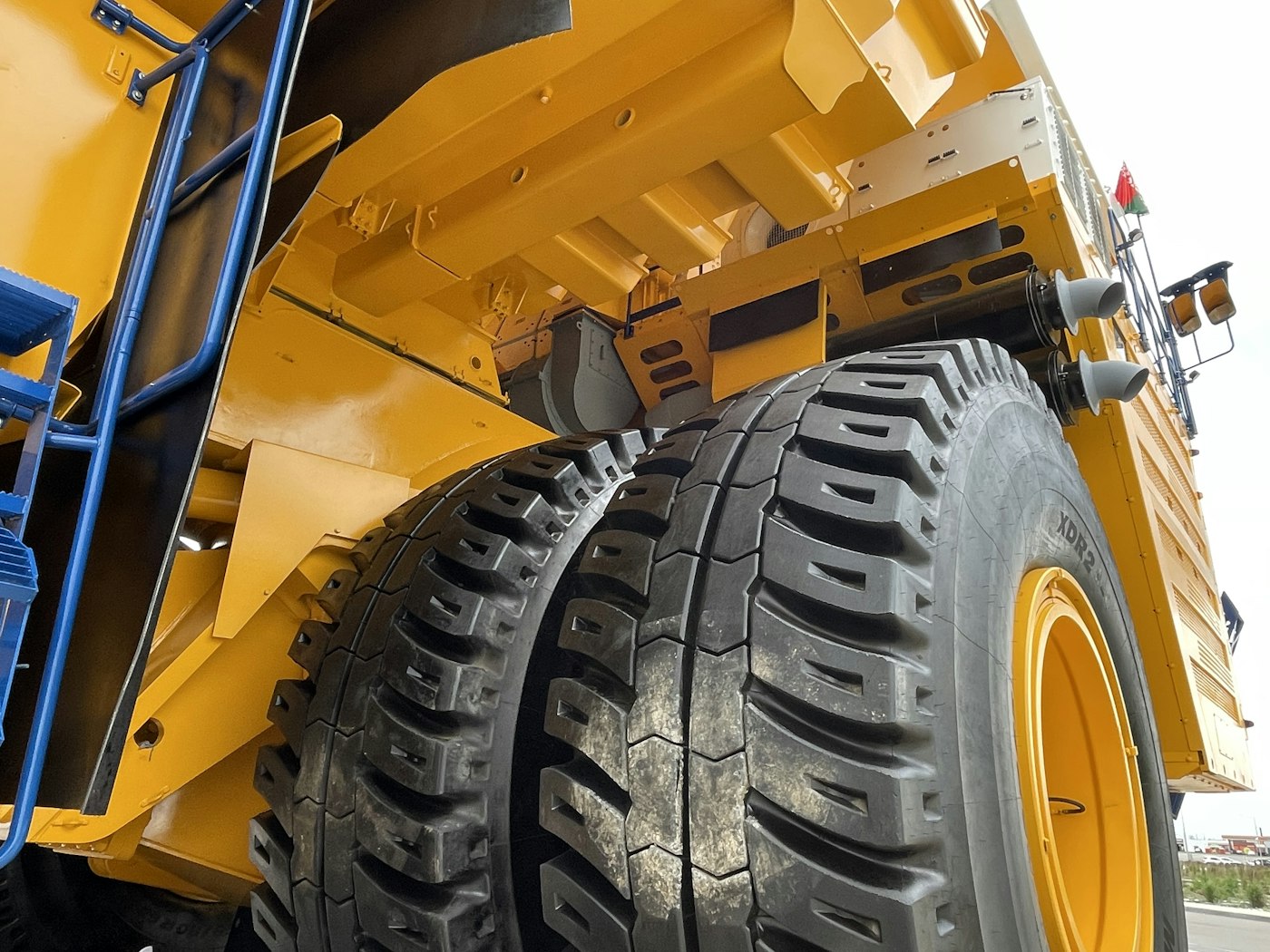
Ask a mine manager what keeps them up at night and the answer is rarely a machine fault. It is a person, in the dark, behind a steering wheel the size of a dinner table, fighting their own biology.
The data backs the instinct. In US mining, powered haulage is consistently the single deadliest category of incident. It accounted for 39% of mining deaths in 2025 (13 of 33), and in recent years has run even higher, 50% in 2017 and around 57% in early 2018 (MSHA). Haul trucks run around the clock, which means a significant share of that work happens at the exact hours the human body is wired to sleep.
Fatigue is measurable, even when it's invisible
Fatigue feels subjective, but on a haul road it shows up in the numbers. A peer-reviewed review of mining haulage found roughly one fatigue event for every 52 hours of haul-truck operation, that operators spend on the order of one second asleep for every nine hours of driving, and that 9.6% of mining injuries occur after the ninth hour on shift (Friedman, 2022).
Why 3am is different from 3pm
The danger is not just hours worked, it is when they are worked. Landmark sleep research found that being awake for around 17 hours impairs performance to roughly the level of a 0.05% blood-alcohol concentration, and 24 hours awake is comparable to 0.10% (Dawson & Reid, 1997). An operator who woke at lunchtime for a night shift can cross the 0.05% line before the sun comes up, stone-cold sober and entirely unaware of it.
Designing the risk out, then catching what's left
The industry has not ignored this. The Earth Moving Equipment Safety Round Table (EMESRT), founded by mining companies in 2006, maintains a nine-level framework for controlling vehicle-interaction risk, where Level 5 is explicitly the operator's fatigue state and the higher levels move toward automated intervention.
Rostering, lighting and crib breaks reduce fatigue. They do not eliminate it. That is why the last line of defense is detection: a cab-facing camera notices the slow eye-closure and head-nod that the operator cannot feel coming, and turns it into an alert in the cab and a flag for the control room, while there is still time to act. Detection does not replace good rostering, it catches the night when good rostering wasn't enough.
On a haul road, a two-second microsleep at 50 tonnes is not a near miss. It is the whole event.
The 3am problem will not be solved by telling people to try harder to stay awake, the science is clear that self-assessment fails exactly when it matters most. It is solved by treating fatigue as a measurable, monitorable risk, scored by the hour, and acted on before it reaches the ramp.
Sources
- MSHA, Powered Haulage Safety. msha.gov
- Friedman, "Fatigue in mining haulage" review, 2022. PMC9018855
- Dawson & Reid, Nature 388:235, 1997. nature.com
- Caterpillar CM20180507 (manufacturer estimate). PDF
- EMESRT. emesrt.org
See fatigue risk, scored by the hour
FleetScout turns cab-camera events and the clock into a single Fatigue Risk Index you can act on.
Open Control Panel